A Brief History of the Windermere Valley
Nestled between the Rocky and Purcell Mountains, the Windermere Valley is just one name for the headwaters of the Columbia River roughly between Canal Flats and Spillimacheen:150 kilometers of lakes, wetlands, benchlands, and mountains.
The name “Windermere” was given in 1883 due to a fancied resemblance to Windermere Lake in England, and the name stuck not only for Windermere Lake, but for the surrounding region which became known as the Windermere District. The area as a whole is part of the East Kootenay region of south-eastern British Columbia, as well as the Rocky Mountain Trench which stretches between Montana and the Yukon border.
For thousands of years before it became “Windermere”, this has been the traditional home of the Ktunaxa and Shuswap First Nations, with members continuing to live on their traditional, unceeded territory here in the valley.
Settlement and Steamboats
As surveying began in the early 1880s for the main line of the Canadian Pacific Railway about 150 kilometers to the north near what is now Golden, settlers began to trickle south into the Windermere Valley. This trickle became a rush after the rail line opened to cross-country travel in 1886.
The Columbia River Valley, which merges seamlessly into the Kootenay River Valley to the south, provided a relatively flat and easily navigable corridor of water and land connecting the CPR south all the way into the United States. Most who settled in the Windermere Valley turned to ranching and subsistence farming, although many also prospected for minerals and contributed to dozens of small mining properties in the surrounding mountains.
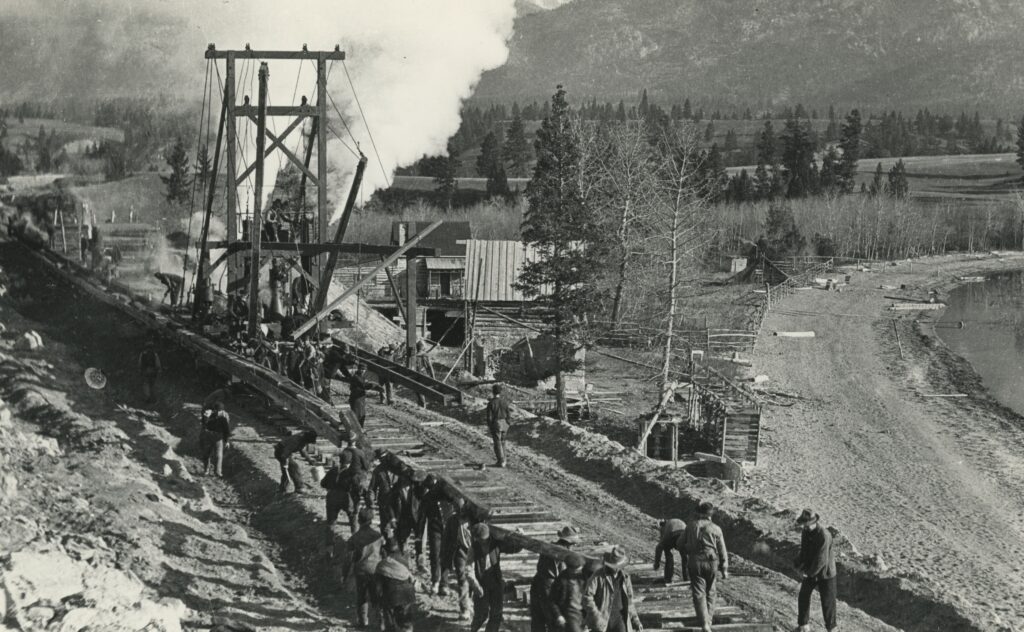
Beginning in 1886, and continuing through 1914, some fifteen different steamboats plied the Columbia River between Golden and Windermere Lake (for a brief time boats were also on Columbia Lake). These were seasonal, operating only when the river was high enough and free from ice, but they were a mainstay for the transport of goods in and out of the area. Many of the small communities of the Windermere Valley began during this period including Spillimacheen, Brisco, Edgewater, Radium Hot Springs, Athalmer, Invermere, Wilmer, Windermere, Fairmont, and Canal Flats, with many other ranches, mines, and homesteads in between.
A branch line of the Canadian Pacific Railway, opened to the public at the beginning of 1915, brought the steamboat era to an end.
Industry and Economic Development
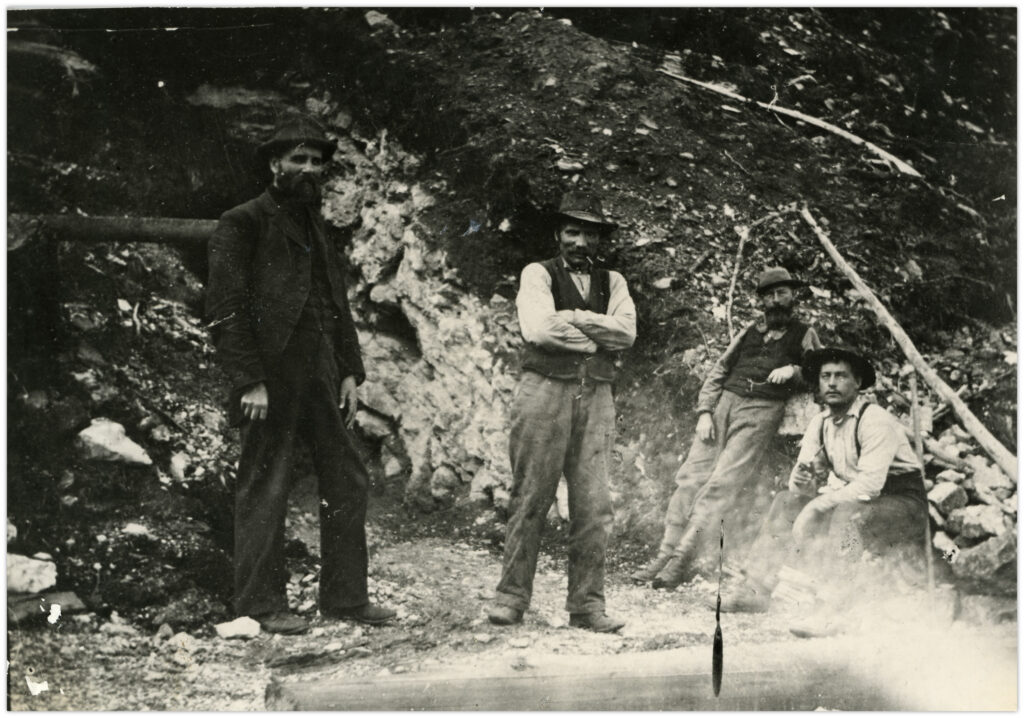
It’s never been easy to make a living in the Windermere Valley. Mines have attracted investment into the area, but very few of these properties have produced shipping ore, and even fewer have operated for more than a couple of years. Mining properties of note include the Paradise Mine (Toby Creek, 1899-1929), the Giant Mine (Spillimacheen, 1950s), and the Mineral King Mine (Toby Creek, 1960s).
A gypsum mine up Windermere Creek (1950-present) is the longest running open pit mine in British Columbia: if you live in a house in western Canada built since the 1960s, chances are the walls contain at least a little bit of Windermere Valley gypsum.
Ranching has also been a long-time staple, and while only a few properties have produced at large scale, they are known for quality. Long established ranches include Firlands, K2, and the Royal Antler, along with several family operations.
Logging was a lucrative industry that saw regular ebbs and flows beginning in the early century. A forestry boom following the Second World War saw countless small sawmills built up in the mountains and on the benches. These small operations gradually dissolved as major sawmill operations opened in Radium Hot Springs and Canal Flats.
Tourists and Mountains
The beautiful landscape of mountains and lakes in the Windermere Valley attracts visitors from around the world: after steamboats visitors came by railway, and after railway they come by car.
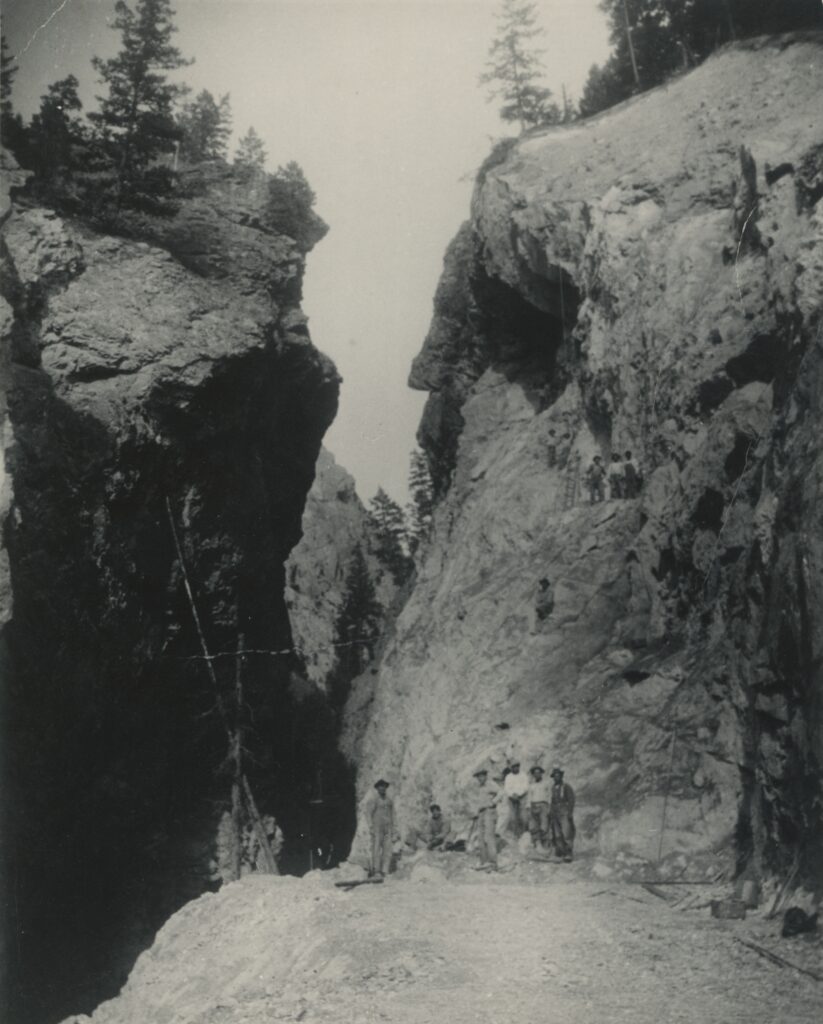
The first road through the valley, and one of the few roads in the interior of British Columbia at the time, was completed between Fort Steele and Golden in 1894. Built for horse and wagon travel, it largely followed traditional trails used for thousands of years.
In 1912, work began on a scenic automobile highway through the Rocky Mountains to Banff: what is now Highway 93 through Kootenay National Park. This was one of western Canada’s first roads built specifically for automobiles. Work was completed in 1923, and for a time this was the only road connecting British Columbia directly with Canada’s Mountain Parks.
Roads brought tourists, and tourists came for the scenery in this recreational paradise. The natural hot springs at Radium and Fairmont were developed as significant attractions in the 1920s, and both only became larger and more popular after the Second World War. This is also when the housing development for recreational second homes began on the shores of Windermere Lake, long popular for boating and swimming. The opening of ski hills at Panorama (1961) and Fairmont (1967) and the addition of multiple world-class golf courses, all within the gorgeous mountain scenery, have helped to solidify the valley as a year-round vacation destination for visitors from around the world.