The Windermere Valley Museum has eleven different buildings, each with its own themed display. Two of these were built on site: the other nine are historically significant buildings moved here from elsewhere in the Windermere Valley. Only one of these is open year round: visit in the summer to browse through the rest of them.
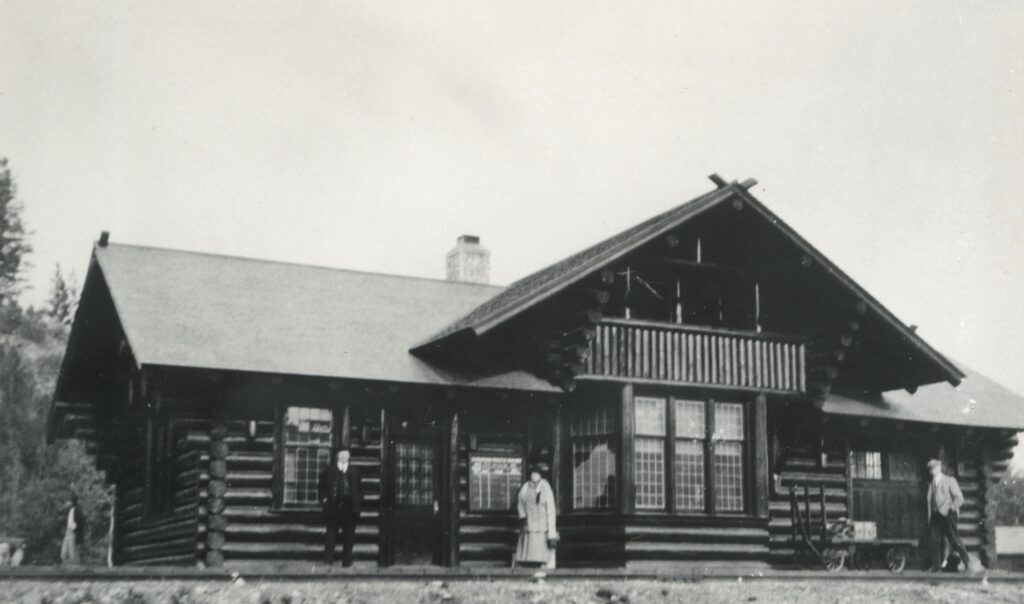
The Railway Station
Originally located just down the hill from the museum, this was the Canadian Pacific Railway station built in 1923. Passenger service ended in 1962, and in 1975 a train derailment damaged the station extensively, prompting the CPR to sell it to the Historical Society for $1!
Today, this is our all-season main museum building including office, archives, and visitors’ entrance. Displays include permanent exhibits on Indigenous Life, fur trader David Thompson, mountaineer Conrad Kain, and early settlement. Our temporary feature display can also be found here!
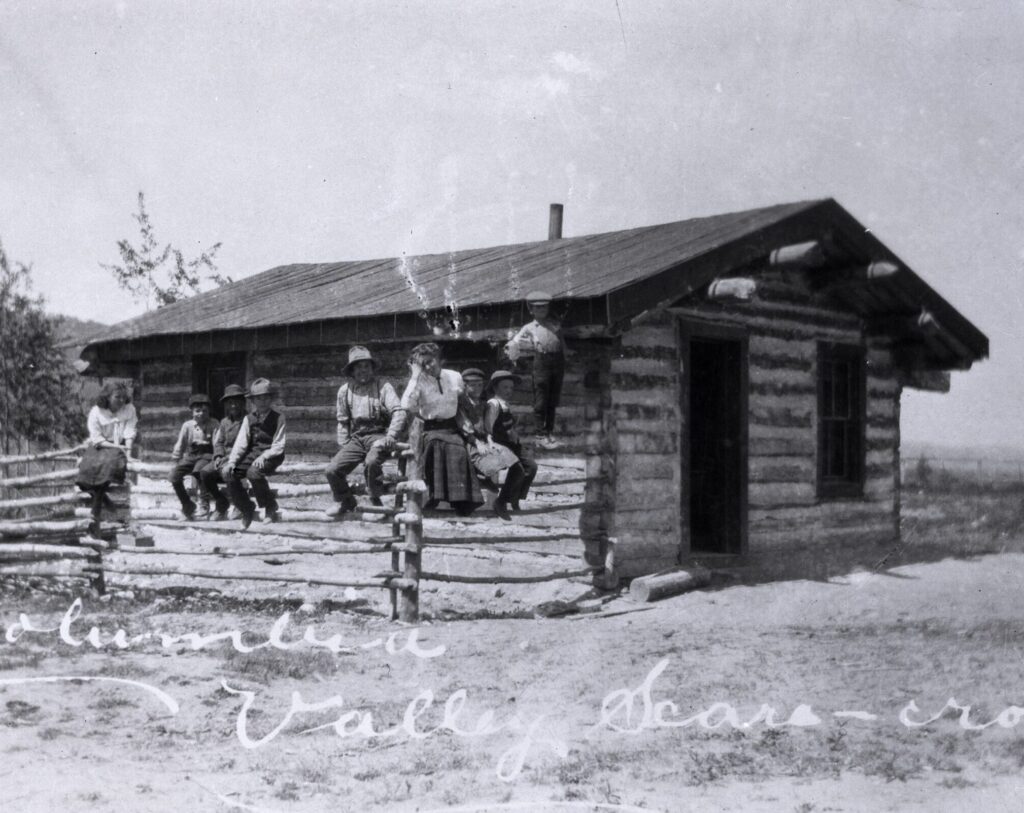
Brisco Schoolhouse
Built in 1906 in the small community of Brisco, this log building was the first of two schoolhouses in that community. The second schoolhouse, built in 1920 to accommodate more students, replaced this one, and can now be found in the Golden Museum. The Brisco Schoolhouse was added to the Windermere Valley Museum in 1981.
Today, the schoolhouse still has desks and books: add some students and a teacher and you’ve got yourself a classroom.
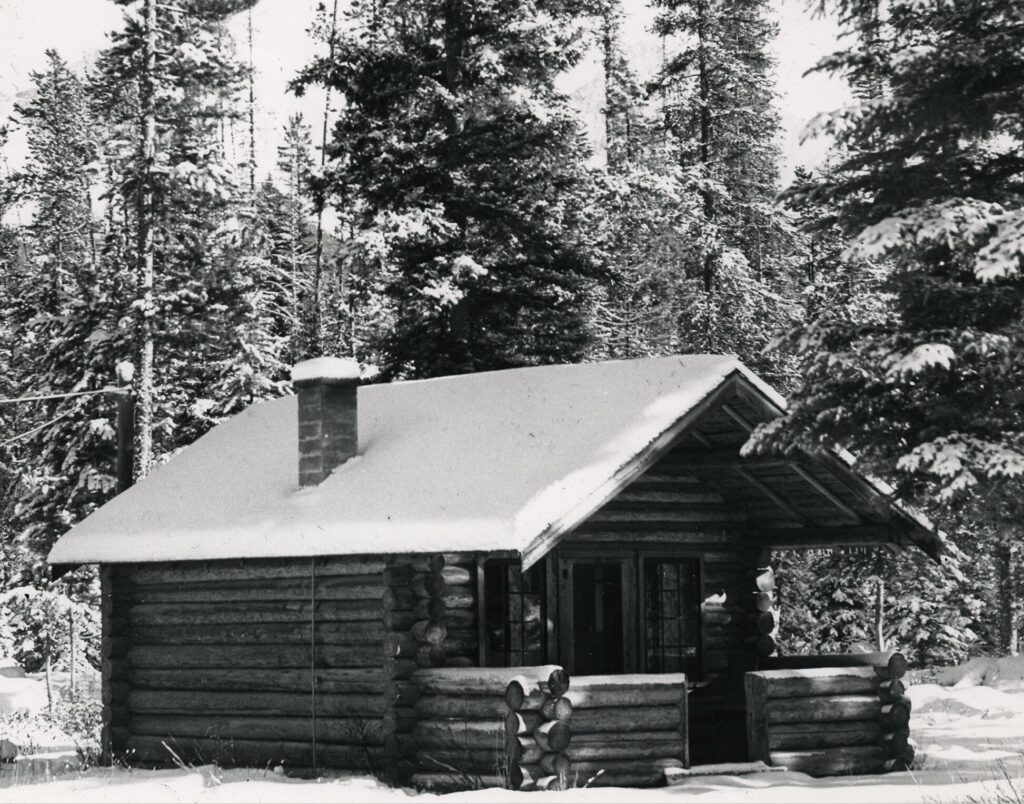
Pioneer Cabin
This little log cabin was built in 1942 in Kootenay National Park where it served as one of several cabins for a Tourist Camp operated by the Crook family. After that camp was closed, the cabin was used for years by Kootenay National Park operations. It was acquired by the recently formed Windermere District Historical Society in 1964, and opened as the first Windermere Valley Museum, located at Pot Hole Park, the following year.
Today, the Pioneer Cabin holds a display of many pioneer household items.
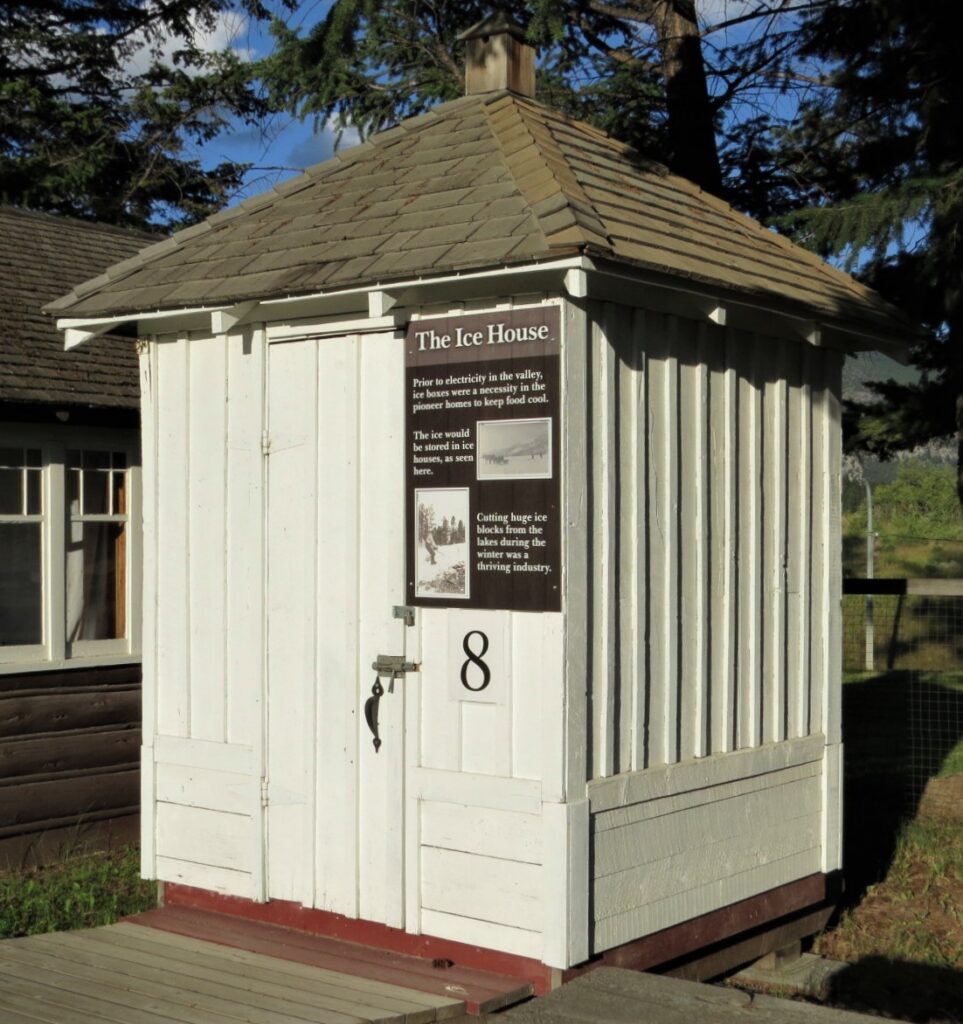
The Ice House
This building is small on the outside and even smaller on the inside: it’s thick walls were designed for insulation.
Used for domestic ice storage before regular electricity was available, it was moved to the museum from Tunnacliffe Flats (behind the arena) near downtown Invermere.
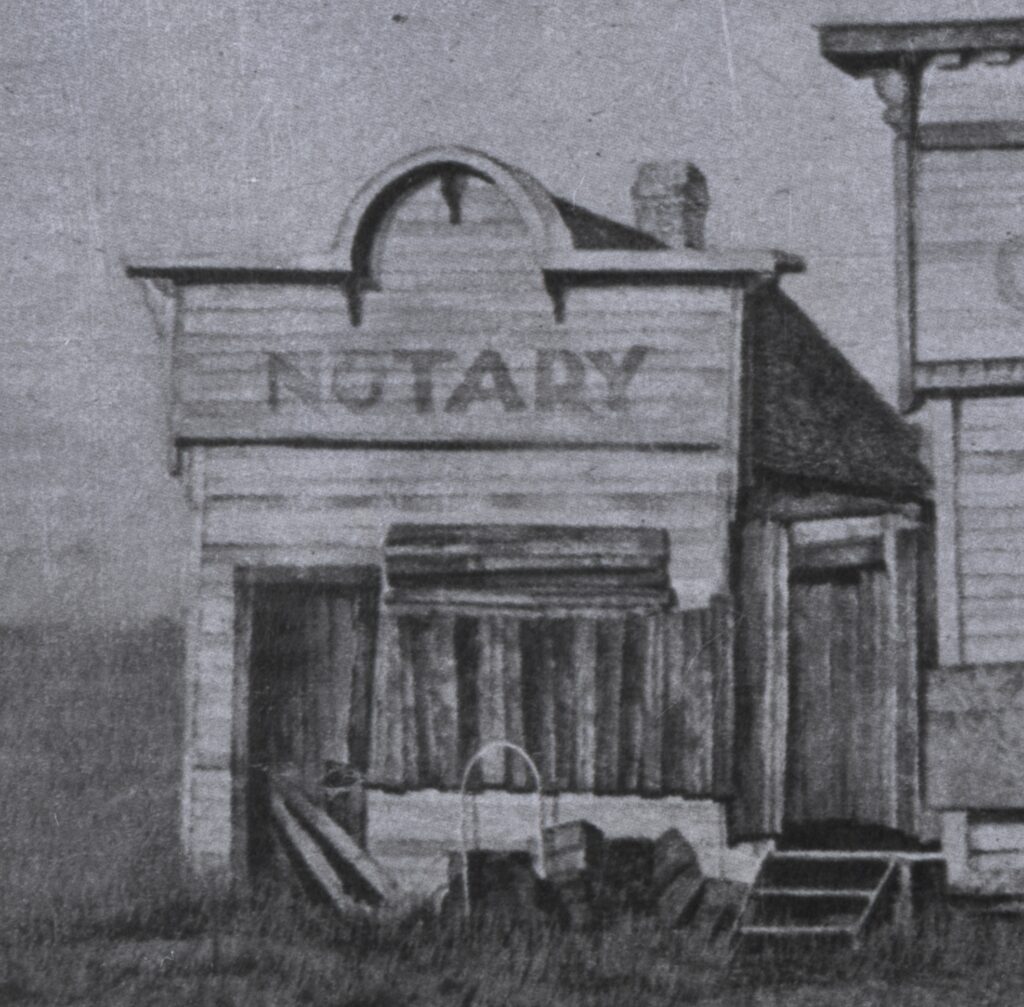
Notary Building
Built in Athalmer in 1906, this building stood on Laurier Street for years as business around it fluctuated with the economy. It has since been moved twice: first to the Crossroads where it was used as an office by the Farmers’ Institute, and again in 1988 when it came to the museum.
Today, the Notary Building contains a general store display. You can also try writing on a typewritter!
Blakley Cabin
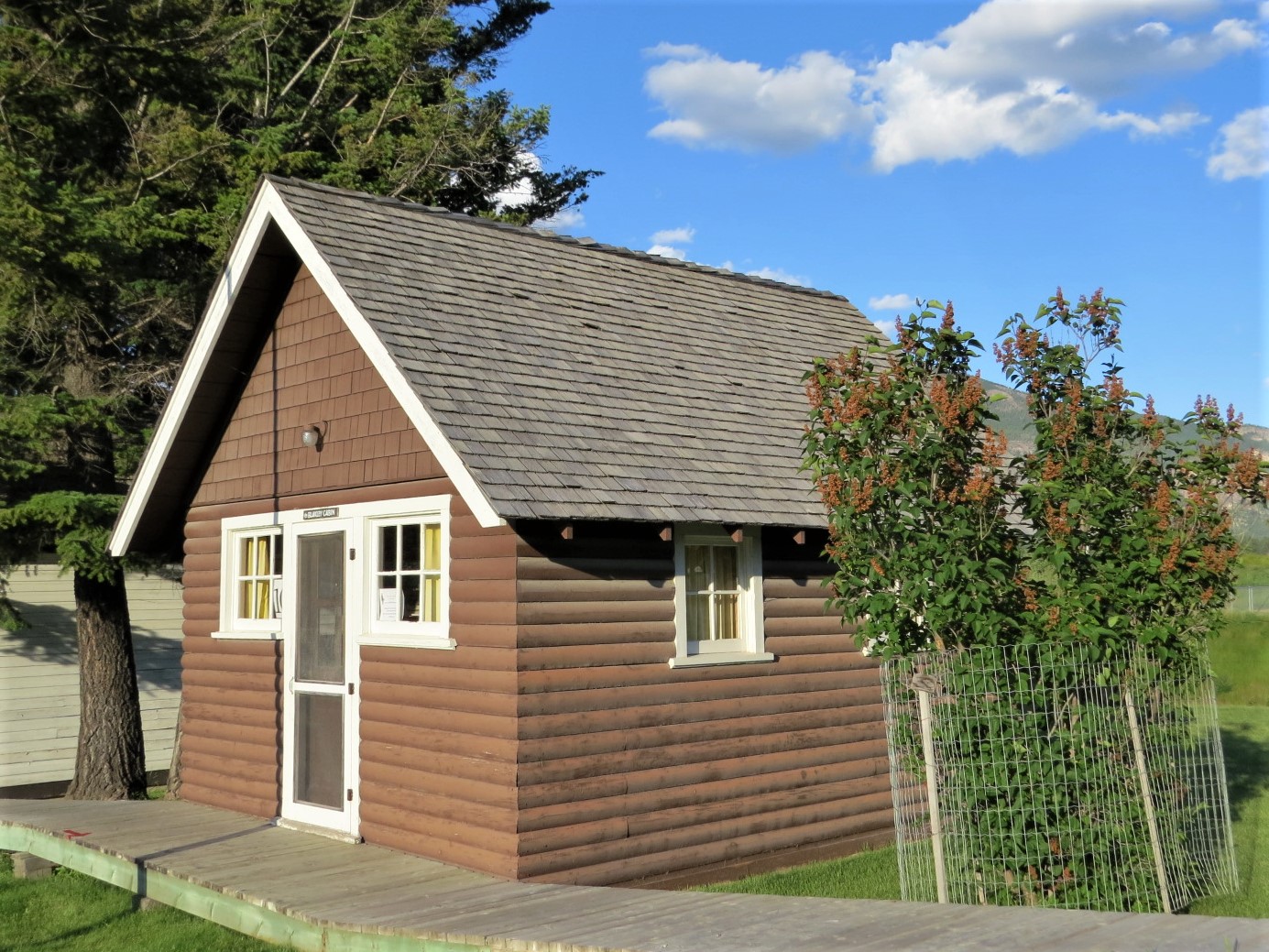
Originally built on the hill above Radium Hot Springs pools as one of “Blakley’s Bungalows”, this rustic building (Cabin 19) was purchased at auction by the Blakley family and donated to the museum in 2002.
Today, it houses displays of early settlers in the valley, as well as an airplane exhibit.
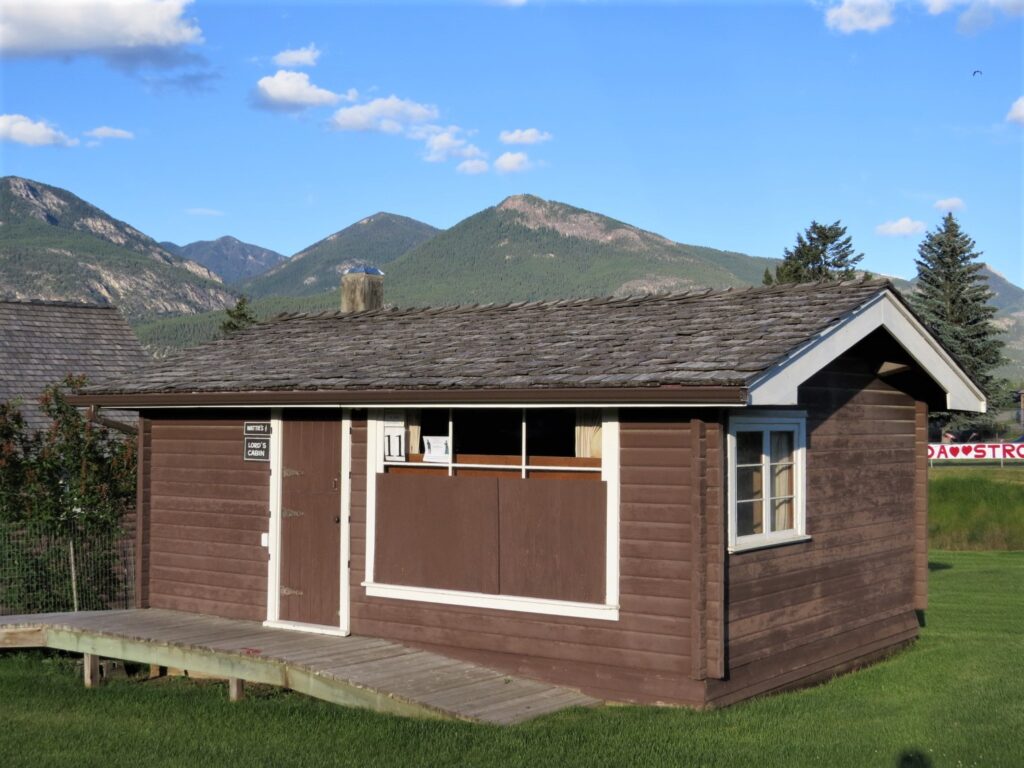
Wattie & Lord Cabin
An original Pan Abode recreational second home built in 1952, this was home away from home for the Lord and Wattie families in Radium Hot Springs. Constructed in the trees above the Banff Windermere Highway not far from the park gates, it was donated with all of its contents to the museum in 2006.
Today, it houses displays on various kinds of recreational activities done by valley residents.
Legion Building
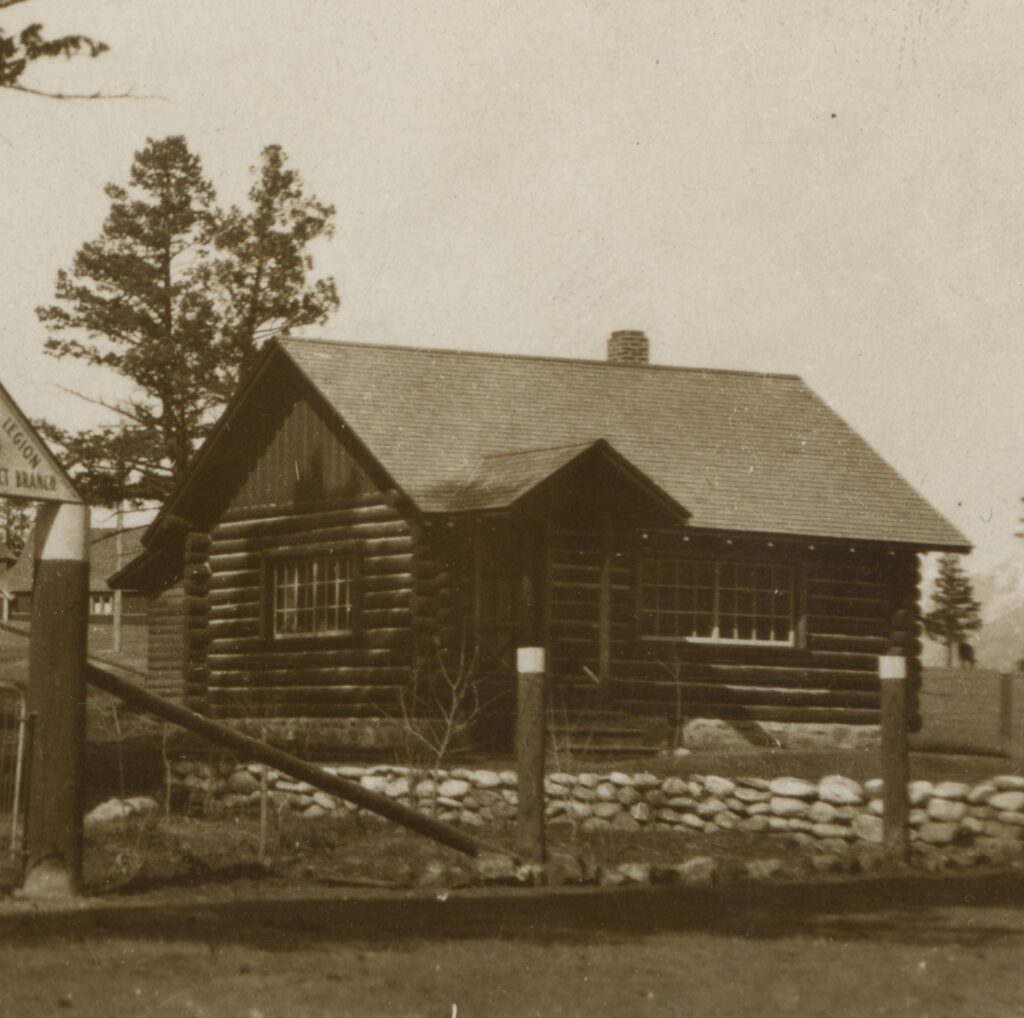
Built in 1919 as a memorial to veterans of the First World War, the Legion Clubroom was a gathering place for war veterans in the valley until a new club house was built in 1955. This original Legion building was repurposed as an extra classroom for the Athalmer-Invermere consolidated school (located just up the hill), and purchased by the Windermere District Historical Society for $1.
Today, the Legion Building contains displays on ranching, the local legion, and other household items.
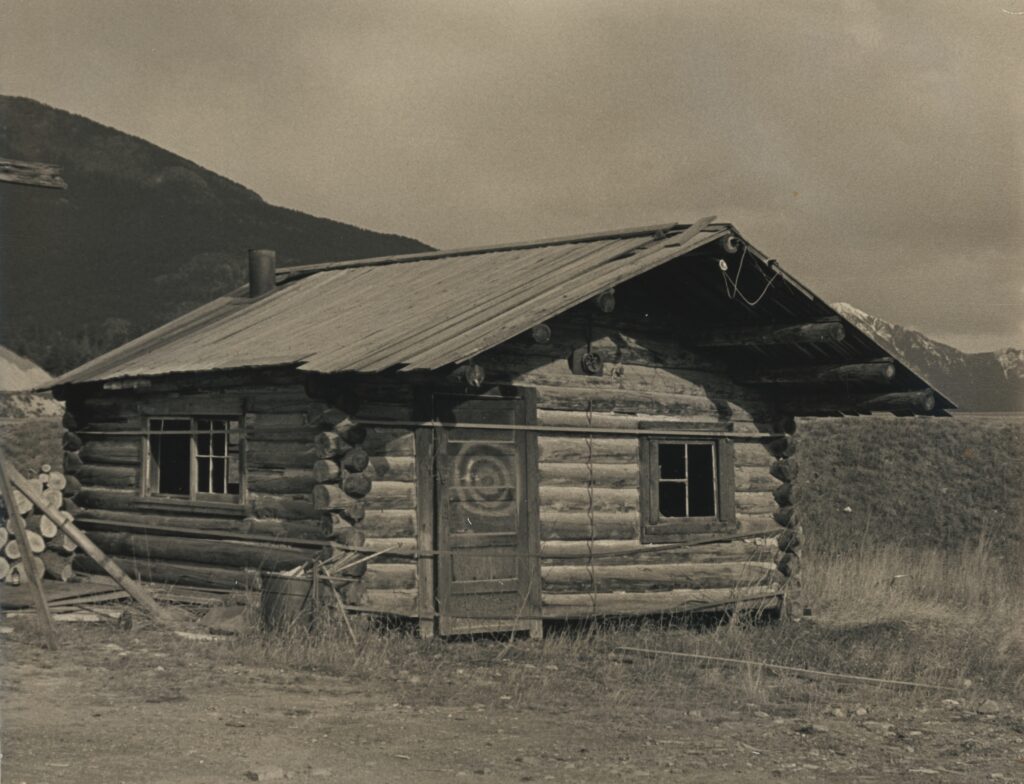
Mining Cabin
A building with a mysterious past, this cabin was located just down the hill in Athalmer. At one time it belonged to Jim Dilworth, and was moved to make way for the CPR Overpass (opened 1980). It caught the eye of a museum member, and was saved from further destruction by being moved up the hill.
Today, exhibits in this cabin are all related to mining history in the valley: check out the museum’s very own mine, the Wee Jessie!
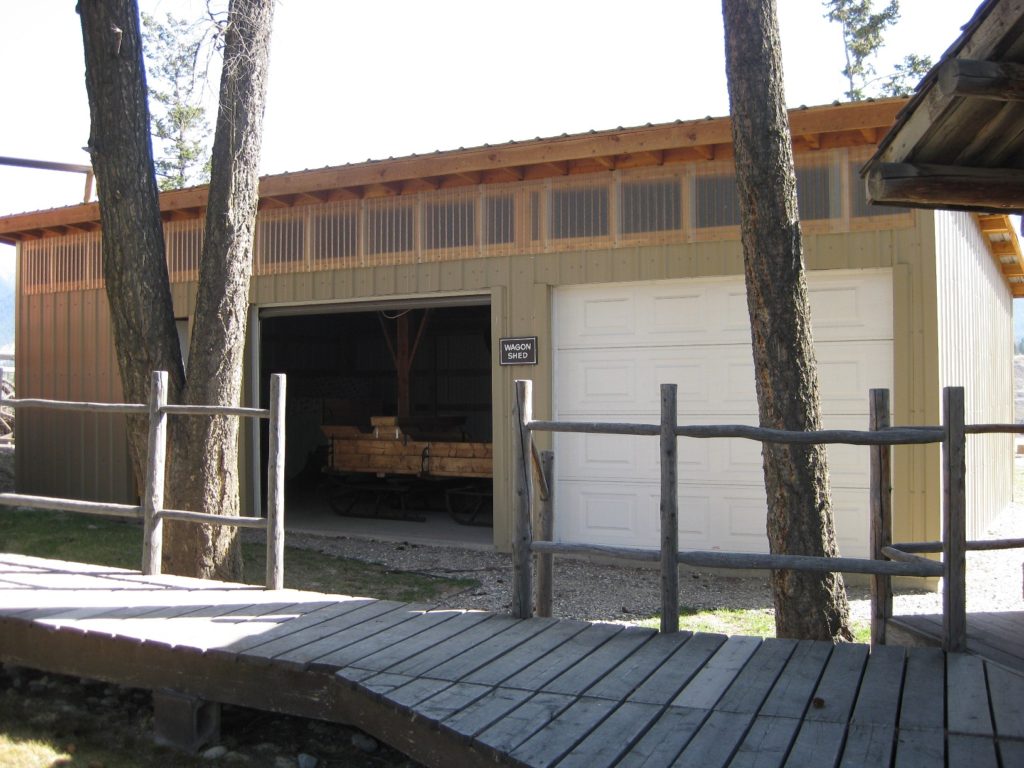
The Wagon Shed
One of two purpose-built display buildings at the museum, this shed contains wagons, buggies, and a small blacksmith display.
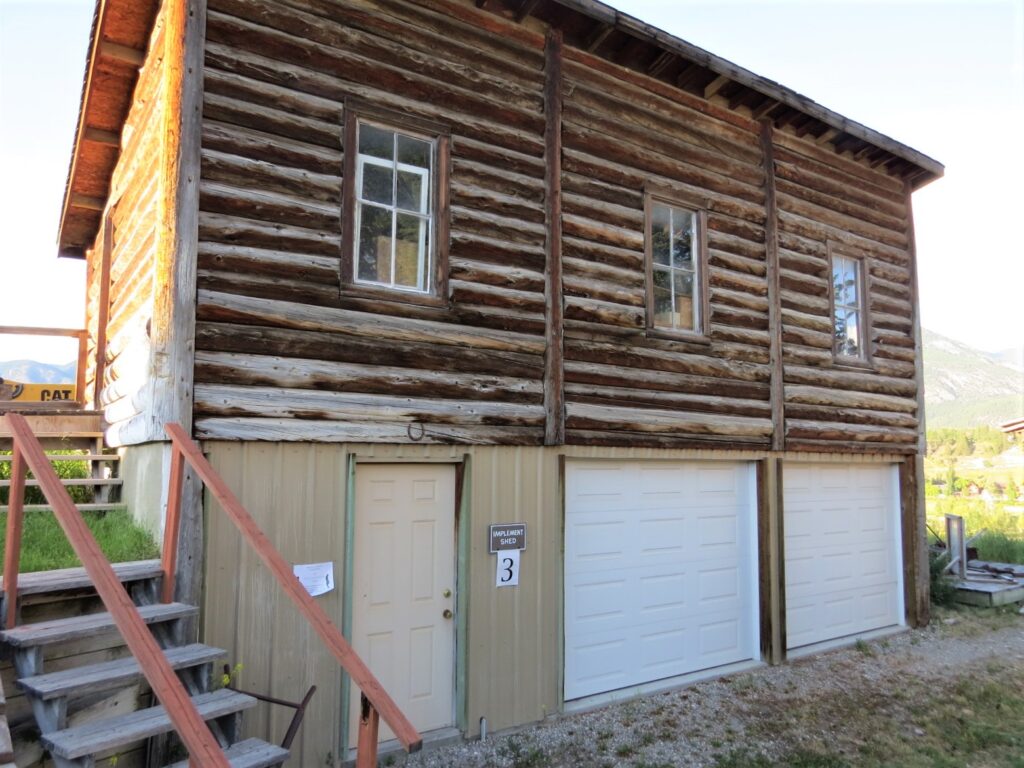
The Implement Shed
The second of two purpose-built display buildings, the Implement Shed has displays on farming, logging, and woodworking in general.